HISTORIC SIGNATURE COLLECTION (1823/1856)
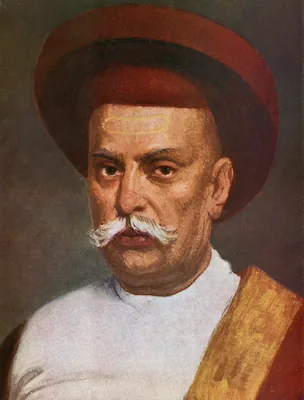
Nana Shankarshet's public life as a reformer began when he was just 20 years old.
In 1823, the practice of Sati, the immolation of widows on their husbands' funeral pyres, was one of the most fiercely contested social issues in British India. In Bengal, Raja Ram Mohan Roy led the campaign against it. In Western India, Nana added his voice to the movement.
Co-Signed with Raja Ram Mohan Roy: When a petition was prepared for the British Parliament calling for the legal abolition of Sati, Nana's signature appeared alongside Roy's. Six years later, when the Sati Abolition Act was passed in 1829, Nana toured the province to persuade people of the law's moral necessity, ensuring Mumbai remained completely peaceful.
But Sati was only the beginning.
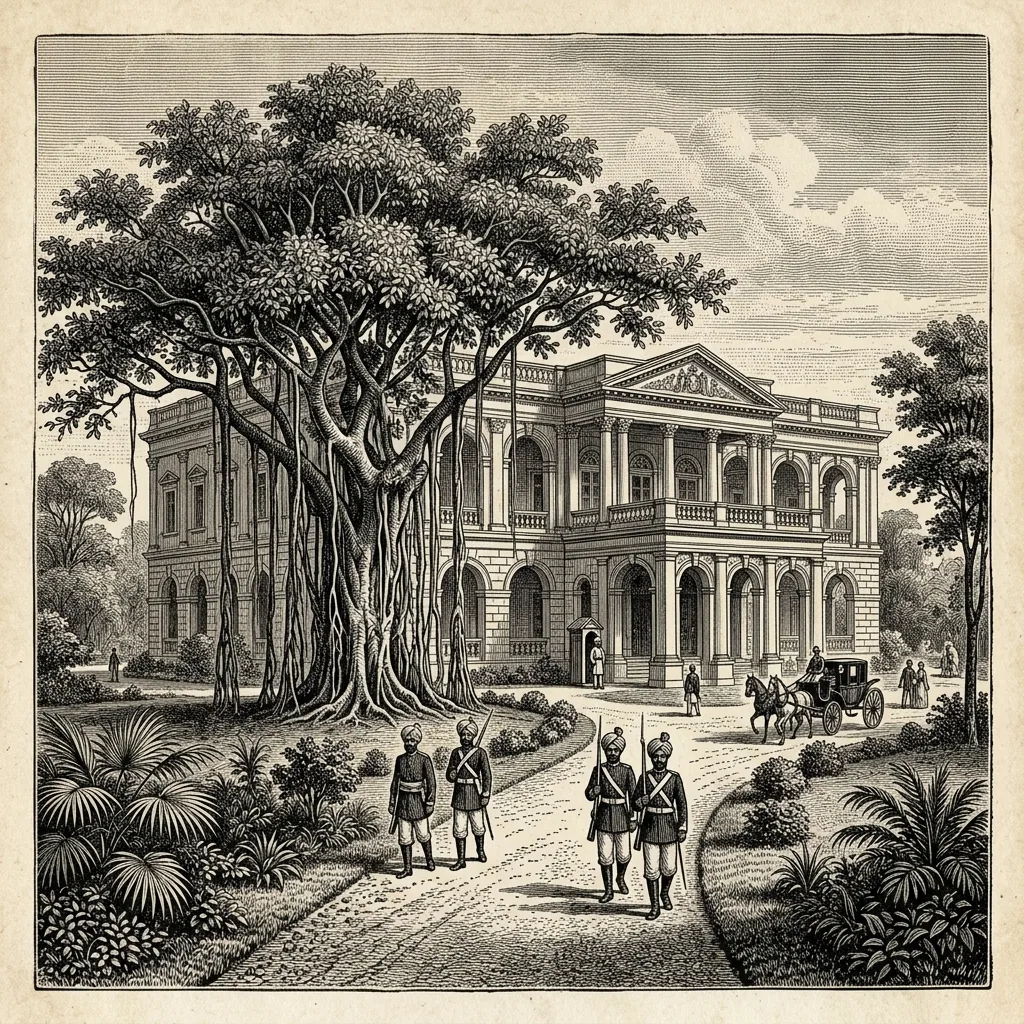
More than three decades later, in 1856, Nana found himself confronting a very different kind of crisis. A devastating famine had left thousands struggling with starvation, while the colonial government's relief efforts were proving inadequate. Nana did not limit himself to private appeals or behind-the-scenes persuasion: he took the suffering to the authorities themselves.
He organized and led a march of 5,000 starving citizens directly to the Government House in Parel, bringing the reality of the crisis to the Governor's doorstep. The pressure forced the British administration to acknowledge the crisis and release emergency relief funds, helping save countless lives.
The first began with a 20-year-old putting his name to a petition. The second ended with 5,000 people marching behind him.
In between, Nana had accumulated wealth, influence and a seat in the Legislative Council. But the pattern remained remarkably consistent: when he believed something was wrong, he was willing to put his own standing behind the people affected by it.