SUPREME COURT OF BOMBAY (1842)
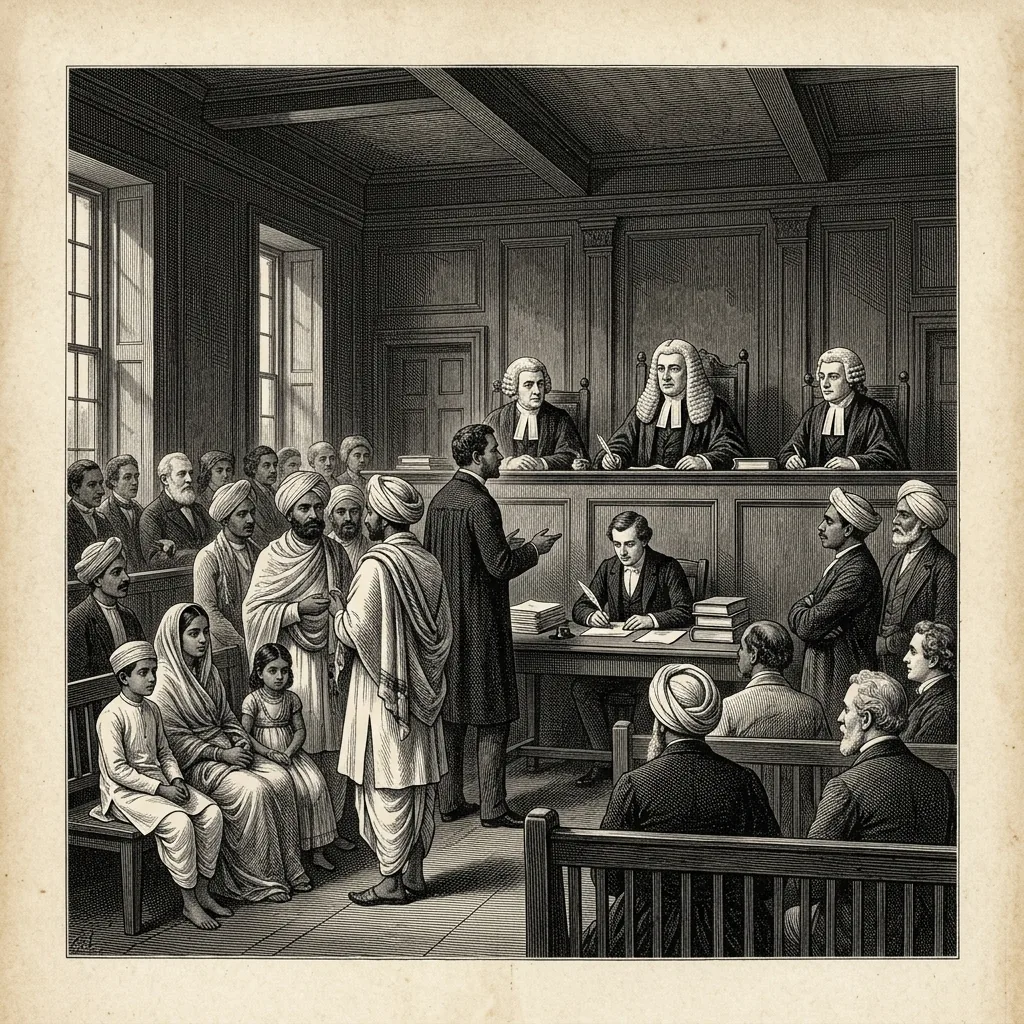
In 1842, a case involving a young Brahmin named Narayan Sheshadri exposed one of the most difficult questions facing Bombay's Hindu community: what happened when missionary education collided with family, religion and the rights of a minor?
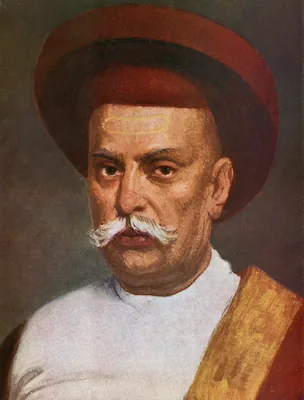
Narayan, a teacher at a missionary school, had converted to Christianity and taken his 12-year-old brother, Shripat, to live with him under the care of Reverend Nesbit. The orthodox Hindu community was outraged. But Nana Shankarshet and Acharya Balshastri Jambhekar did something more consequential than protest: they went to court.
Believing that the lower magistrate courts were favouring the missionaries, Nana and Jambhekar filed a Habeas Corpus petition in the Supreme Court. They won, and Shripat was returned to his father.
But getting the boy home was only half the battle. Because Shripat had lived and eaten with Christians for two months, orthodox Brahmins in Pune declared him “corrupted” and demanded that he be permanently excluded from Hindu society. Nana and Jambhekar refused to accept that outcome either.
The Shuddhikaran Reconversion: Defying the orthodox establishment, Nana and Jambhekar arranged for Shripat to travel to Kashi (Varanasi) for a formal purification ritual, or Shuddhikaran, so that he could be readmitted into the Hindu fold, marking the first such reconversion during British rule.
The response from the orthodox establishment was severe. Participants were fined, and Jambhekar was forced to undergo penance. Nana nevertheless stood firm, using his wealth and social position to absorb the financial consequences and protect the reform effort.
The remarkable part of the story is that Nana fought on two fronts: first against coercion from outside the community, and then against exclusion from within it.